
-
Electrical (C-10) License:
1001575
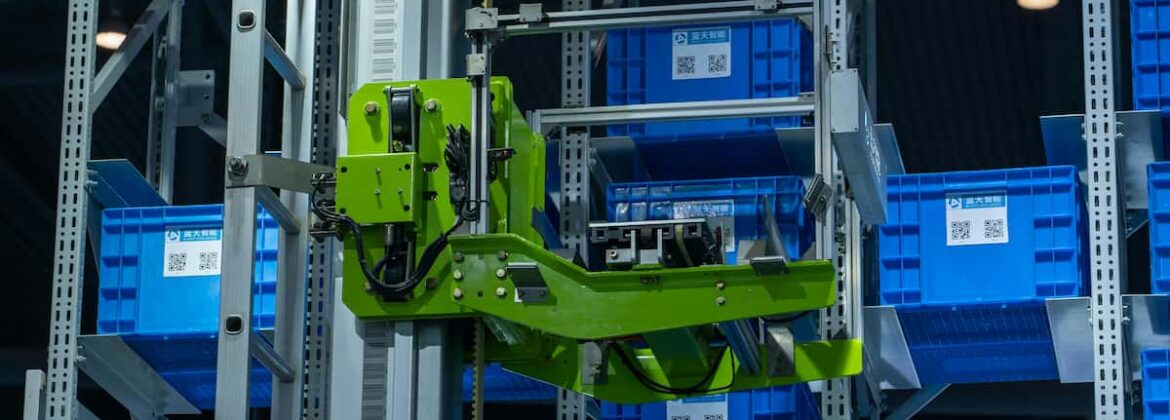
AI Growth Is Fueling Rapid Data Centre Expansion
The numbers don’t lie. AI workloads are scaling quickly across industries, demand for high-performance compute and storage has gone up, and there’s an overall need for better memory and infrastructure capacity.
Data centres are scrambling to keep up with the demand. You’ll notice new facilities are being built at a pace you haven’t seen before. Existing mega structures are treated to countless upgrades, all because of the pressure to keep everything running without interruption.
If you or your company runs this kind of critical infrastructure, you have to act fast.
Why Data Centre Demand Is Accelerating
A couple of years ago, AI models that ran at scale were something only companies like Amazon and Google could afford to have. Now, beyond generative AI and machine learning pipelines, real-time data processing has become mainstream across industries. Financial institutions, healthcare, ecommerce platforms, and virtually every other sector rely on these workloads.
The reality is that every one of these workloads requires significant computing power. That computing power needs infrastructure, physical infrastructure requires energy, and energy requires protection.
It’s a chain reaction, with data centres right in the center of it all.
According to recent industry reporting, global data centre capacity is expected to more than double by the end of the decade, driven almost entirely by AI demand. New construction is accelerating across the US, particularly in California and the Southwest.
The Infrastructure Challenge Nobody Talks About Enough
What often gets overlooked in all the excitement about AI is that the physical infrastructure behind these facilities is being pushed harder than ever.
Higher-density computing generates more heat and draws more power. When you’re running AI training jobs that can’t afford to stop mid-process, even a few seconds of downtime can mean hours of lost work and real financial damage.
Infrastructure requirements have changed significantly, so designs that worked five years ago often don’t cut it today.
What This Means for Backup Power
Legacy power protection setups weren’t designed for today’s load densities or uptime expectations. Data centre operators are now dealing with:
- Higher continuous power draws that stress UPS systems beyond their original specs
- Longer runtimes needed during outages as AI jobs can’t simply be paused
- More frequent load fluctuations from dynamic AI workloads cycling on and off
- Stricter regulatory and compliance requirements around power continuity
A UPS system that was adequately sized three years ago may already be underperforming. Battery health, load capacity, and runtime need to be reassessed regularly, not just at contract renewal.
Scalability As a Core Requirement
The facilities being built today aren’t just big, but they’re designed to grow. Modular construction, phased power rollouts, and flexible infrastructure are becoming standard practice.
Your power protection strategy needs to match that same approach. You’ll need UPS systems that can scale with your load, battery solutions that are serviceable and upgradeable without full replacements, and emergency lighting infrastructure that meets code as your footprint expands. Also important is having a service partner who understands the operational tempo of a live data centre environment.
What Facility Managers and Engineers Should Be Asking Right Now
Before your next infrastructure review, it’s worth asking a few questions:
- Is your current UPS capacity aligned with your actual and projected load?
- When were your batteries last tested under full load conditions?
- Do you have a documented maintenance schedule, or are you running on reactive servicing?
- If construction or expansion is planned, is your backup power strategy part of that conversation from day one?
These are the differences between a facility that can absorb growth and one that becomes a liability.
Where To Go From Here
AI isn’t slowing down, and neither is data centre construction. The demand for critical power infrastructure is only going in one direction.
Facilities that get ahead of that demand now, with the right equipment, the right maintenance programs, and the right partners, will be in a much stronger position than those playing catch-up.
If your power protection infrastructure hasn’t been reviewed recently, now is the right time. Contact Lorbel to future-proof your power supply.